This article is for general information only, not medical advice. Before you start a supplement or change your routine, talk with your doctor.
Disclosure: Some links on this page may earn us a commission at no cost to you.
Updated Oct 2026: labels, prices, ratings and research checked on Oct 22, 2026.
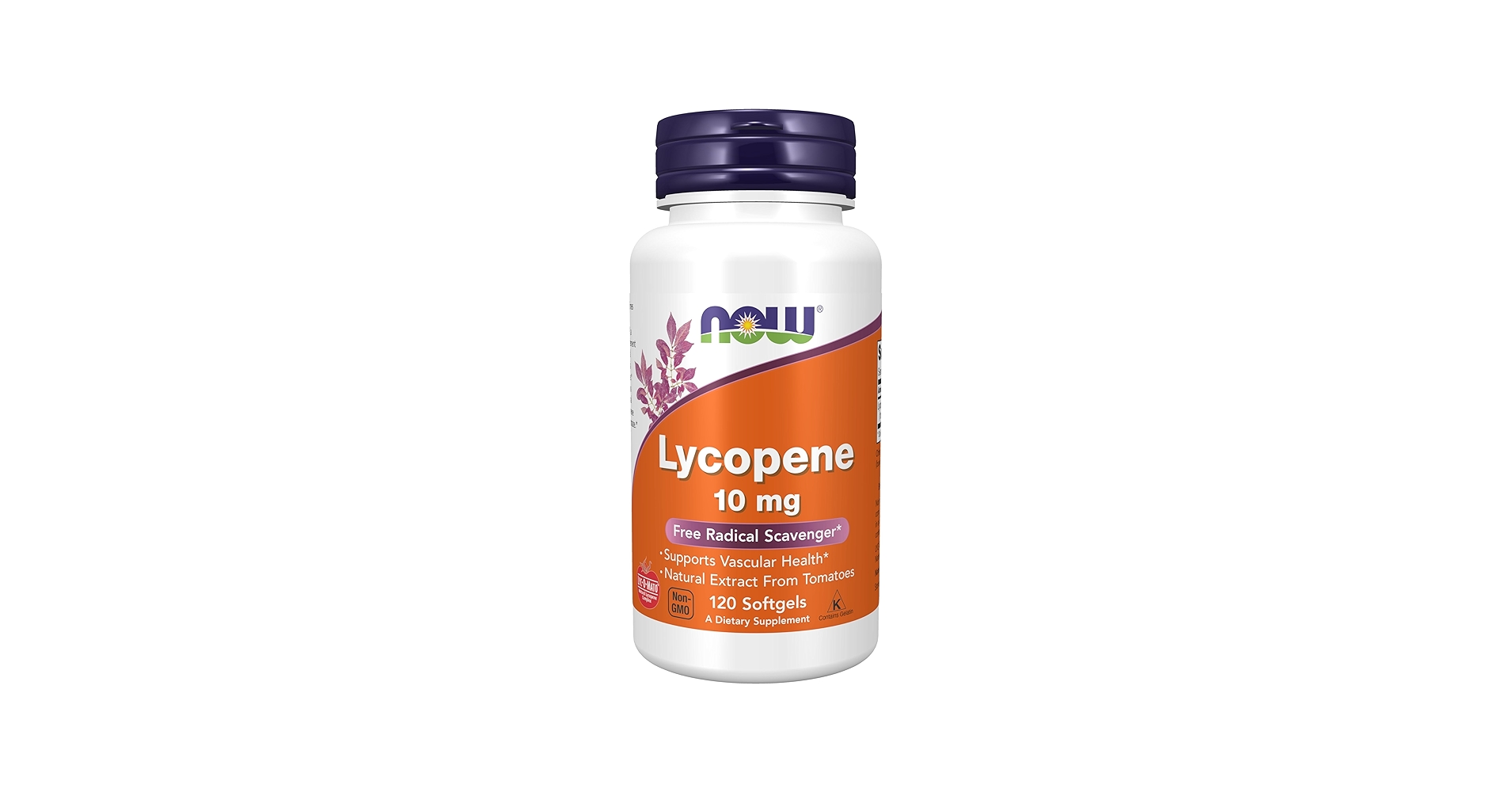
Lycopene is the red carotenoid in tomatoes, and the supplement shelf is crowded. After comparing the options, my pick is NOW Lycopene 10 mg. It’s natural tomato extract in organic extra virgin olive oil, with no fillers beyond the softgel shell, and it’s one of the cheapest per softgel.
How I chose
I compared the popular lycopene supplements on dose, non-GMO status, price per softgel, ratings and, above all, what else is in the softgel. My filters were strict:
- Carrier oil: No sunflower, rice bran, corn or soybean oil. I wanted olive oil.
- Fillers: No soy lecithin, starch, maltodextrin, croscarmellose, artificial colors, stearic acid, dicalcium phosphate or similar additives. Fewer ingredients means fewer things that can bother sensitive people.
- Source: Lycopene from tomato extract rather than synthetic.
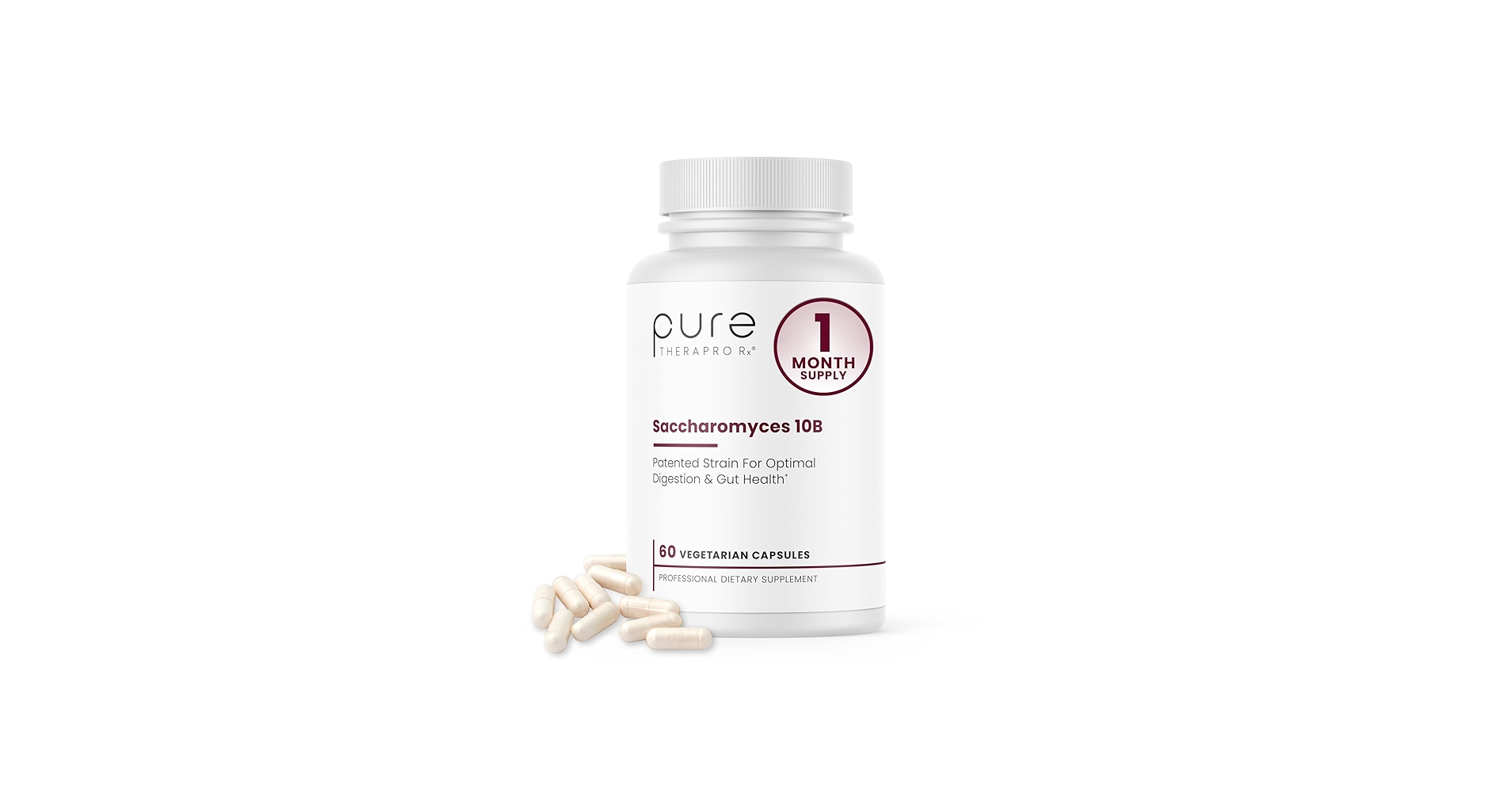
One by one, competitors fell. In my original review, Puritan’s Pride used corn and soybean oils. Healthy Origins used sunflower oil. Jarrow Lyco-Sorb (which now appears to be discontinued) and Swanson contained soy and failed the oil test. Nature’s Bounty, Best Naturals, 21st Century and Source Naturals carried fillers from my no list. Life Extension used rice bran oil. NOW was the only one that passed every filter. (I haven’t re-checked every one of those labels since; formulas change, so read the label.)
What’s in NOW Lycopene 10 mg
- Lycopene: 10 mg per softgel, from Lycored’s tomato extract (labeled Lycomato™)
- Other ingredients: organic extra virgin olive oil; the softgel is bovine gelatin (BSE-free), glycerin and water
- Non-GMO, made without soy, gluten-free, Kosher; made in the USA from globally sourced ingredients; produced under NOW’s GMP program (Intertek-certified)
- Directions on the label: 1 softgel, 1 to 3 times a day with food
Why olive oil? Lycopene is fat-soluble, so you want it with fat. A small 2000 study gave people tomato products with either olive oil or sunflower oil. Blood lycopene rose about the same with both oils, but only the olive oil group saw a rise in a lab measure of blood antioxidant activity. It’s one small study, but it fits my preference for olive oil.
Trade-off: bovine gelatin means it isn’t vegan or vegetarian.
Price and ratings
On Amazon, the 60-softgel bottle was $14.68 when I checked (NOW’s list price is $23.99). That’s about 24¢ per softgel. It’s rated 4.6 out of 5 stars from about 500 ratings. A 120-count bottle is also available (list $43.99). Prices change, so check before you buy.
Two alternatives worth considering
To be fair, here’s how two popular options compare. Both are good picks if your priorities are different from mine.
| NOW Lycopene 10 mg (my pick) | Life Extension Mega Lycopene 15 mg | Healthy Origins Lycopene 15 mg | |
|---|---|---|---|
| Lycopene per softgel | 10 mg | 15 mg | 15 mg |
| Carrier oil | Organic extra virgin olive oil | Rice bran oil | Sunflower oil (per retailer labels; see note) |
| Other ingredients | Bovine gelatin, glycerin, water | Gelatin, glycerin, beeswax, water, sunflower lecithin | Kosher gelatin, vegetarian glycerin, water, annatto extract |
| Price checked | $14.68 / 60 on Amazon (≈24¢ each) | $26.25 / 90 at Life Extension (≈29¢ each; ≈25¢ on AutoShip) | $14.99 at Healthy Origins (60-count, ≈25¢ each) |
| Label directions | 1 softgel, 1 to 3x daily | 1 softgel daily | 2 softgels daily, at once or split (per retailer label) |
| Best for | Cleanest label, olive oil carrier | One-a-day at a higher dose | Higher dose, kosher gelatin, low price |
| Trade-off | Lower dose per softgel; not vegan | Rice bran oil and sunflower lecithin fail my filter; costs more | Sunflower oil fails my filter |
Note on Healthy Origins: its product page is now titled “Lyc-O-Mato (Lycopene + Olive Oil) 15 mg,” but it doesn’t list the ingredients, and retailer listings still show sunflower oil. If you’re considering it, check the label on the bottle you get.
A no-supplement option: Cooked tomato products like sauce and paste are natural lycopene sources. Eaten with a little olive oil, they’re the cheapest way to get lycopene, though the amount per serving varies.
What the research actually says
Lycopene is heavily marketed for prostate and heart health. I’m not making health claims, and the research is mixed:
- A 2017 meta-analysis of 21 trials reported a modest drop in systolic blood pressure with lycopene supplements, while tomato products (rather than lycopene pills) were linked to modest improvements in LDL cholesterol and a measure of blood-vessel function.
- A larger 2020 meta-analysis of 43 studies found no significant effect of lycopene on blood pressure or cholesterol and called the evidence conflicting, partly because doses and forms varied widely.
My take: if you’ve decided to take lycopene, buy the cleanest version at a fair price. Don’t expect miracles, and talk to your doctor.
Bottom line
If you want lycopene with a clean label and an olive oil carrier at about 24¢ a softgel, I’d choose NOW Lycopene 10 mg.
These statements have not been evaluated by the Food and Drug Administration. This product is not intended to diagnose, treat, cure, or prevent any disease. Not medical advice; talk to your doctor.
Sources (accessed Oct 22, 2026)
- NOW Foods, Lycopene 10 mg Softgels (label, ingredients, MSRP, certifications): https://www.nowfoods.com/products/supplements/lycopene-10-mg-softgels (accessed 2026-10-22)
- Amazon, NOW Lycopene 10 mg 60 Softgels (price, rating): https://www.amazon.com/NOW-Lycopene-10mg-60-Softgels/dp/B0013OXEXW (accessed 2026-10-22)
- Life Extension, Mega Lycopene 15 mg, 90 softgels: https://www.lifeextension.com/vitamins-supplements/item00455/mega-lycopene (accessed 2026-10-22)
- Healthy Origins, Lycopene 15 mg product page: https://healthyorigins.com/products/lyc-o-mato-15mg (accessed 2026-10-22)
- Healthy Origins Lycopene 15 mg ingredients, serving size and directions (retailer listing, secondary): https://www.professionalsupplementcenter.com/products/lycopene-15-mg-by-healthy-origins (accessed 2026-10-22)
- Jarrow Lyco-Sorb ingredients and discontinued status (retailer listing, secondary): https://www.allstarhealth.com/f/jarrow-lyco-sorb.htm (accessed 2026-10-22)
- Lee A, Thurnham DI, Chopra M. Consumption of tomato products with olive oil but not sunflower oil increases the antioxidant activity of plasma. Free Radic Biol Med. 2000. PMID 11084294. https://pubmed.ncbi.nlm.nih.gov/11084294/ (doi:10.1016/s0891-5849(00)00440-8) (accessed 2026-10-22)
- Cheng HM, et al. Tomato and lycopene supplementation and cardiovascular risk factors: a systematic review and meta-analysis. Atherosclerosis. 2017. PMID 28129549. https://doi.org/10.1016/j.atherosclerosis.2017.01.009 (accessed 2026-10-22)
- Tierney AC, et al. Effect of dietary and supplemental lycopene on cardiovascular risk factors: a systematic review and meta-analysis. Adv Nutr. 2020. PMID 32652029. https://pmc.ncbi.nlm.nih.gov/articles/PMC7666898/ (doi:10.1093/advances/nmaa069) (accessed 2026-10-22)
An American Dad
Dad, researcher of everyday money and life questions, and the person friends ask before they buy. I write plain.tips so my family, and anyone else, have one place to find answers worth knowing.